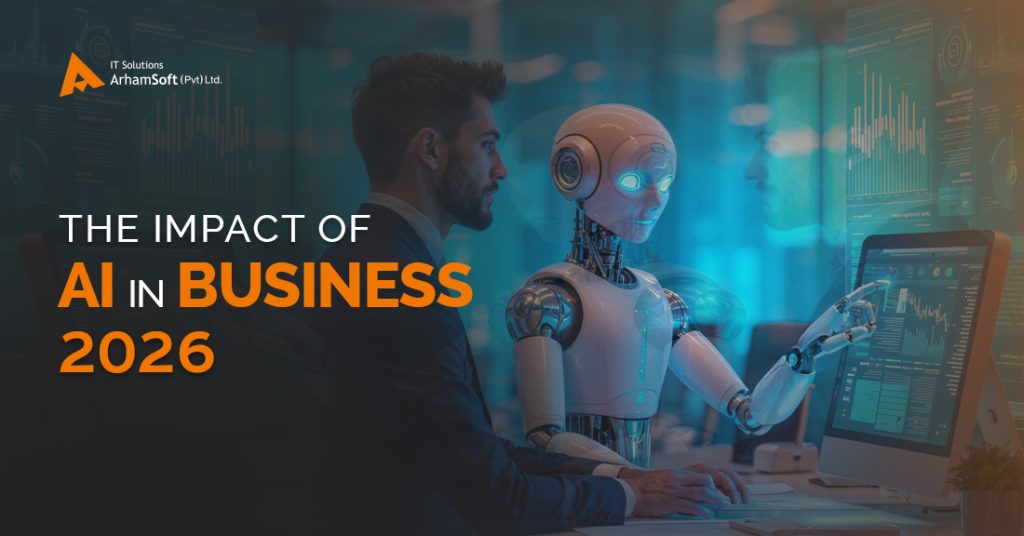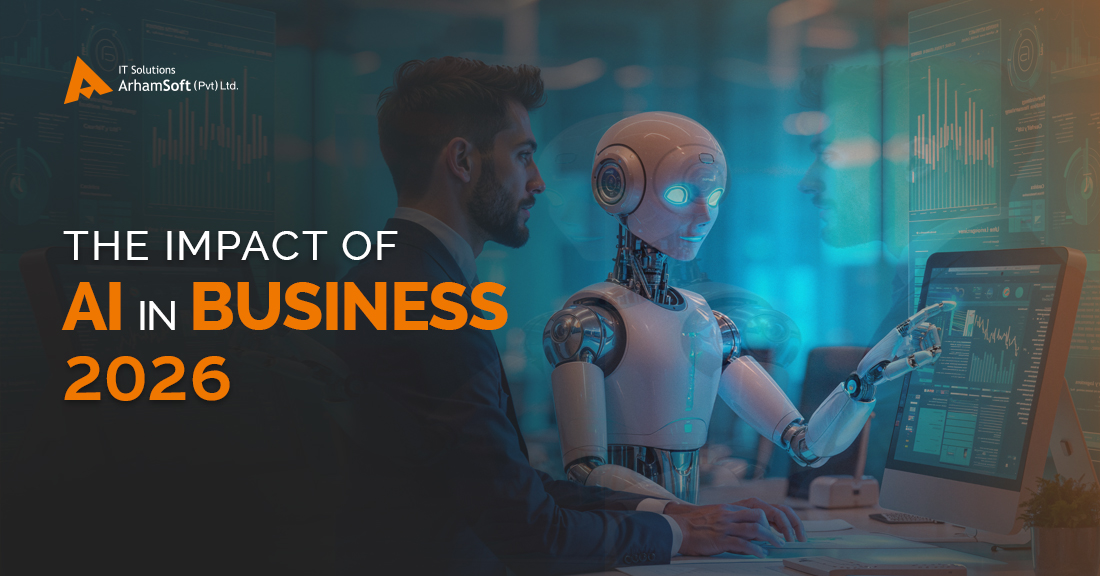
Artificial Intelligence: Unraveling the Impact of AI in Business by 2026
Artificial Intelligence (AI) is poised to revolutionize the business landscape by 2026. From AI automation to enterprise AI, this article explores how AI in business will impact various sectors.
Introduction
Artificial Intelligence, an umbrella term encompassing machine learning, deep learning, and other related technologies, is set to disrupt the very fabric of the business world. As we approach 2026, the integration of AI in business is becoming increasingly inevitable.
Understanding the Role of AI in Business
AI is not just a buzzword; it’s a transformative tool that businesses of all sizes are adopting to improve efficiencies, increase productivity, and stay ahead of their competitors.
Topics of Discussion
What is AI Automation?
AI automation refers to the use of artificial intelligence to automate tasks traditionally performed by humans. This ranges from simple tasks, like data entry, to more complex operations, like decision-making processes.
How Does Enterprise AI Differ?
Enterprise AI, on the other hand, is a broader concept. It refers to the application of AI technologies across an entire organization, helping businesses to automate processes, gain insights, and make data-driven decisions.
AI Strategy: A Key to Digital Transformation
An AI strategy is essential for businesses planning to embark on a digital transformation journey. It involves identifying business problems that AI can solve, investing in the right AI technologies, and implementing them effectively.
How Can AI Drive Digital Transformation?
AI can drive digital transformation by automating processes, providing real-time insights, and improving decision-making. This leads to enhanced productivity, cost savings, and improved customer experience.
AI in Business Intelligence: The Future is Here
Business intelligence is evolving with the integration of AI. AI algorithms can analyze vast amounts of data to provide actionable insights, helping businesses to make informed decisions.
How Will AI Impact Business Intelligence by 2026?
By 2026, AI will enable more predictive and prescriptive analytics, providing businesses with forward-looking insights. This will allow businesses to anticipate market trends and customer behavior, driving competitive advantage.
The Future Impact of AI in Business
The future of AI in business is promising, with potential impacts spanning across industries. From healthcare to finance, AI is set to deliver significant efficiency and productivity gains.
How Will AI Automation Change the Business Landscape by 2026?
AI automation will streamline business operations, reduce human error, and free up employees to focus on strategic tasks. This will result in improved efficiency, productivity, and business growth.
What Role Will Enterprise AI Play in the Future?
Enterprise AI will enable more personalized customer experiences, optimize supply chains, and improve decision-making through data-driven insights. It will be a game-changer in the way businesses operate and compete.
FAQs
1. What is the role of AI in business?
AI in business is used to automate tasks, gain insights from data, and improve decision-making. It enhances productivity, reduces costs, and provides a competitive edge.
2. How can AI drive digital transformation?
AI drives digital transformation by automating processes, providing real-time insights, and improving decision-making. This leads to enhanced productivity, cost savings, and improved customer experience.
3. How will AI impact business intelligence by 2026?
By 2026, AI will enable more predictive and prescriptive analytics, providing businesses with forward-looking insights. This will allow businesses to anticipate market trends and customer behavior.
4. How will AI automation change the business landscape by 2026?
AI automation will streamline business operations, reduce human error, and free up employees to focus on strategic tasks. This will result in improved efficiency, productivity, and business growth.
5. What role will enterprise AI play in the future?
Enterprise AI will enable more personalized customer experiences, optimize supply chains, and improve decision-making through data-driven insights.
6. Is an AI strategy crucial for digital transformation?
Yes, an AI strategy identifies business problems that AI can solve, determines the necessary AI technologies, and guides their effective implementation.
Conclusion
As we venture towards 2026, the impact of AI in business will be profound. From automation to business intelligence, AI is set to redefine the way businesses operate and compete. Now is the time for businesses to embrace AI, embark on their digital transformation journey, and prepare for the future.